How Long After Windshield Replacement Can I Wash My Car?
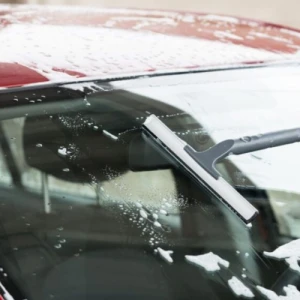
Most auto glass technicians recommend waiting at least 24 to 48 hours after windshield replacement in Toronto before washing your car.
The urethane adhesive holding your new glass to the vehicle frame needs time to fully cure and form a watertight seal. Washing too soon, especially with high-pressure water, can disrupt that bond before it sets.
The exact wait time depends on wash type, temperature, and adhesive used.
How the Adhesive Curing Process Works
When your windshield is installed, a high-quality urethane adhesive is applied between the glass and the vehicle frame. This adhesive creates an airtight, watertight seal, but it doesn’t harden instantly.
You can typically drive after one hour, but full cure to maximum bond strength takes 24 to 72 hours.
Cold temperatures slow this process significantly. Until the adhesive completely hardens, the seal remains vulnerable to water pressure, shifting, and separation from the frame.
Not sure if your adhesive was applied correctly? Book a quick inspection today.
How Long Should You Wait to Wash Your Car After Windshield Replacement?
The recommended wait time varies by wash type. Here’s the breakdown by method:
Hand Wash: Wait at Least 24 Hours
After 24 hours, a careful hand wash is considered safe by most auto glass technicians.
Use a soft microfiber towel, mild automotive soap, and low-pressure water. Avoid scrubbing around the windshield edges, that’s where the adhesive bond is most critical.
Skip any pressure nozzle or high-pressure hose. This method removes salt and road debris without stressing the freshly cured seal.
Need a proper windshield installation before that first wash? Get yours done right.
Automatic or High-Pressure Car Wash: Wait 48 to 72 Hours
Automatic car washes use high-pressure water jets, rotating brushes, and strong air blowers, all capable of disrupting an adhesive that hasn’t fully set.
Wait a minimum of 48 hours, and ideally 72 hours before using any automatic wash.
In colder climates where curing slows down, some technicians recommend waiting up to two weeks. Even touchless car washes generate enough water pressure to compromise the seal during this window.
Hand Wash vs. Automatic Car Wash After Windshield Replacement
Hand Wash Automatic Car Wash
Safe after 24 hours 48 to 72 hours
Pressure level Low High
Brush contact Soft cloth Rotating brushes
Risk to seal Minimal Moderate to High
For the first wash, always choose hand washing.
Use a soft microfiber cloth, gentle automotive soap, and keep water pressure low, especially around the windshield edges.
Reserve automatic washes until the adhesive has fully cured and you’ve confirmed no leaks or gaps.
Factors That Affect Curing Time
Several variables influence how quickly your adhesive reaches full strength:
Temperature – Cold weather slows urethane curing significantly. In Wisconsin winters or Canadian climates, add extra time.
Humidity – High humidity can extend the curing window.
Adhesive type – Fast-cure formulas set sooner but still need 24+ hours for full bond.
ADAS vehicles – Cameras near the windshield make precise curing even more critical to avoid calibration drift.
Environment – In-shop replacements in controlled conditions cure faster than mobile replacements outdoors.
Always follow your technician’s specific instructions over general guidelines.
Why Washing Too Soon Can Damage Your New Windshield
Washing too soon is more damaging than most drivers expect.
High-pressure water doesn’t just wet the surface. It can push beneath an uncured seal, creating hidden gaps that cause:
Water leaks inside the cabin
Wind noise at highway speeds
Glass misalignment from adhesive separation
In serious cases, a compromised adhesive bond weakens the windshield’s ability to support airbag deployment and maintain cabin structural integrity during a collision.
The windshield accounts for up to 45% of a vehicle’s structural strength, protecting that bond matters.
Worried your seal wasn’t done right? Contact our team and we’ll check it for you.
A small crack in your wind shield might not seem like a big problem. Many drivers ignore minor chips...
Yes, car insurance typically covers cracked windshields through comprehensive coverage, which protec...